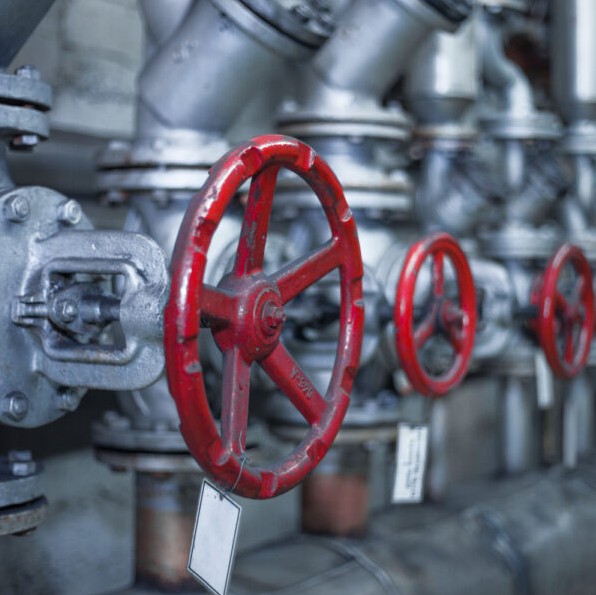
Valves are among the most critical components in any industrial plant — whether it’s oil & gas, petrochemical, power generation, or water treatment. They control flow, pressure, and safety across entire systems. But when valves fail, the results can include costly shutdowns, product losses, and even safety hazards.
This essential guide outlines why valve maintenance matters, the best practices for keeping valves reliable, and expert tips from the engineers at Metal Stitch to extend the service life of your equipment.
This essential guide outlines why valve maintenance matters, the best practices for keeping valves reliable, and expert tips from the engineers at Metal Stitch to extend the service life of your equipment.
Why Valve Maintenance Is Crucial
Valves operate under harsh conditions — high temperature, pressure, and corrosive media. Over time, internal wear, corrosion, and seal degradation cause leaks, reduced efficiency, or even total failure.
Regular inspection and preventive maintenance help to:
Prevent unexpected shutdowns and process disruptions
Maintain system efficiency and safety compliance
Reduce the cost of emergency repairs or replacements
Extend the overall equipment lifespan
⚙️ Common Valve Problems
Leakage through packing glands or seats – caused by worn-out seals, incorrect tightening, or corrosion.
Sticking or hard operation – due to scale buildup, debris, or poor lubrication.
Erosion and corrosion – particularly in high-velocity or chemical service lines.
Actuator malfunction – misalignment, air leaks, or calibration errors.
Gasket failure – often the result of over-torquing or thermal cycling.
🧰 Best Practices for Effective Valve Maintenance
1. Implement a Scheduled Inspection Plan
Create inspection intervals based on service severity, pressure rating, and media type. Record visual inspections, vibration checks, and leak tests.
2. Clean and Lubricate Regularly
Remove debris and scale, and apply lubricants compatible with the process medium. Proper lubrication prevents galling and corrosion.
3. Check Packing and Sealing Components
Monitor gland packing tightness and replace it if friction or leakage occurs. Always use OEM-recommended packing materials.
4. Verify Torque and Bolt Integrity
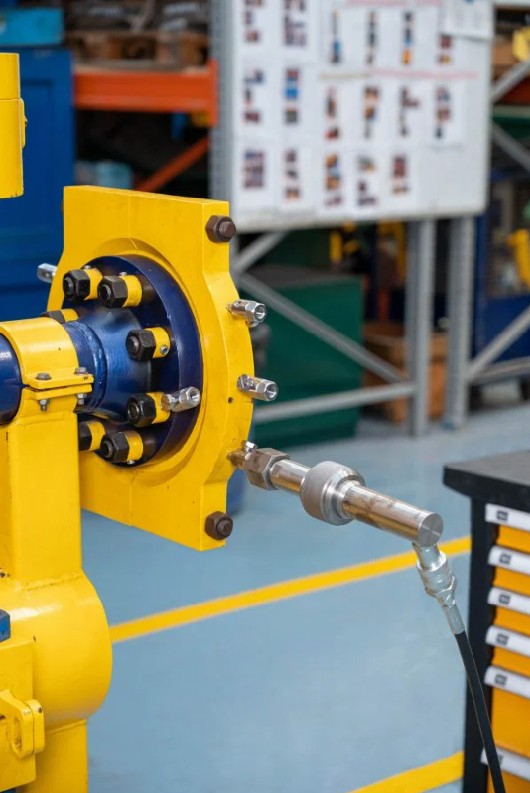
Use calibrated torque wrenches and follow correct tightening sequences. Controlled bolting ensures uniform stress distribution and prevents flange leaks.
5. Pressure-Test After Maintenance
Perform hydrotesting or pneumatic testing to confirm the valve’s pressure integrity before putting it back into service.
6. Document and Tag Every Maintenance Action
Maintain detailed maintenance logs and tagging for traceability — this supports reliability audits and ISO compliance.
🧩 Expert Tips from Metal Stitch
Use online leak sealing to address minor valve leaks without shutting down the system.
For seized bolts during maintenance, use hydraulic nut splitters and flange spreaders to avoid damage.
If valve seats or faces are eroded, consider portable flange facing or in-situ machining to restore sealing surfaces.
Always follow ASME PCC-2 and API 510 standards for valve and pressure equipment maintenance.
Partner with an experienced maintenance service provider — like Metal Stitch — that offers on-site repair, machining, and bolting support.
🏭 How Metal Stitch Can Help
At Metal Stitch, we specialize in comprehensive on-site maintenance and repair solutions for valves and critical equipment. Our services include:
Valve and flange leak sealing (live repairs)
Controlled bolting & tensioning
On-site flange facing & machining
Hot tapping, line stop, and hydrotesting
With decades of field experience, ASME-certified equipment, and 24/7 response capability, we help industrial clients across KSA and the GCC minimize downtime and maintain system integrity.
✅ Key Takeaway
Regular valve maintenance is not just about keeping components in good condition — it’s about ensuring safety, efficiency, and reliability across your entire operation. By adopting these best practices and partnering with expert service providers, you can avoid costly failures and extend the lifespan of your critical assets.
Valves operate under harsh conditions — high temperature, pressure, and corrosive media. Over time, internal wear, corrosion, and seal degradation cause leaks, reduced efficiency, or even total failure.
Regular inspection and preventive maintenance help to:
Prevent unexpected shutdowns and process disruptions
Maintain system efficiency and safety compliance
Reduce the cost of emergency repairs or replacements
Extend the overall equipment lifespan
⚙️ Common Valve Problems
Leakage through packing glands or seats – caused by worn-out seals, incorrect tightening, or corrosion.
Sticking or hard operation – due to scale buildup, debris, or poor lubrication.
Erosion and corrosion – particularly in high-velocity or chemical service lines.
Actuator malfunction – misalignment, air leaks, or calibration errors.
Gasket failure – often the result of over-torquing or thermal cycling.
🧰 Best Practices for Effective Valve Maintenance
1. Implement a Scheduled Inspection Plan
Create inspection intervals based on service severity, pressure rating, and media type. Record visual inspections, vibration checks, and leak tests.
2. Clean and Lubricate Regularly
Remove debris and scale, and apply lubricants compatible with the process medium. Proper lubrication prevents galling and corrosion.
3. Check Packing and Sealing Components
Monitor gland packing tightness and replace it if friction or leakage occurs. Always use OEM-recommended packing materials.
4. Verify Torque and Bolt Integrity
Use calibrated torque wrenches and follow correct tightening sequences. Controlled bolting ensures uniform stress distribution and prevents flange leaks.
5. Pressure-Test After Maintenance
Perform hydrotesting or pneumatic testing to confirm the valve’s pressure integrity before putting it back into service.
6. Document and Tag Every Maintenance Action
Maintain detailed maintenance logs and tagging for traceability — this supports reliability audits and ISO compliance.
🧩 Expert Tips from Metal Stitch
Use online leak sealing to address minor valve leaks without shutting down the system.
For seized bolts during maintenance, use hydraulic nut splitters and flange spreaders to avoid damage.
If valve seats or faces are eroded, consider portable flange facing or in-situ machining to restore sealing surfaces.
Always follow ASME PCC-2 and API 510 standards for valve and pressure equipment maintenance.
Partner with an experienced maintenance service provider — like Metal Stitch — that offers on-site repair, machining, and bolting support.
🏭 How Metal Stitch Can Help
At Metal Stitch, we specialize in comprehensive on-site maintenance and repair solutions for valves and critical equipment. Our services include:
Valve and flange leak sealing (live repairs)
Controlled bolting & tensioning
On-site flange facing & machining
Hot tapping, line stop, and hydrotesting
With decades of field experience, ASME-certified equipment, and 24/7 response capability, we help industrial clients across KSA and the GCC minimize downtime and maintain system integrity.
✅ Key Takeaway
Regular valve maintenance is not just about keeping components in good condition — it’s about ensuring safety, efficiency, and reliability across your entire operation. By adopting these best practices and partnering with expert service providers, you can avoid costly failures and extend the lifespan of your critical assets.